
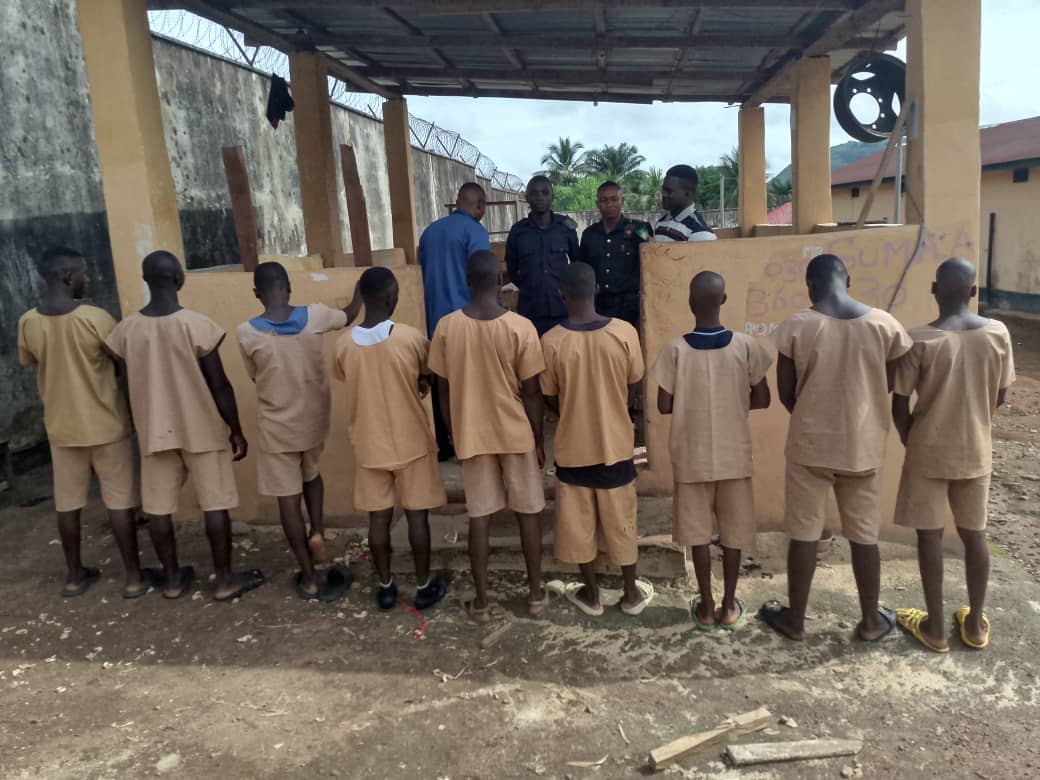
Rehabilitation for a better and safer society…
I walked into that first African prison expecting to find broken people with broken skills.
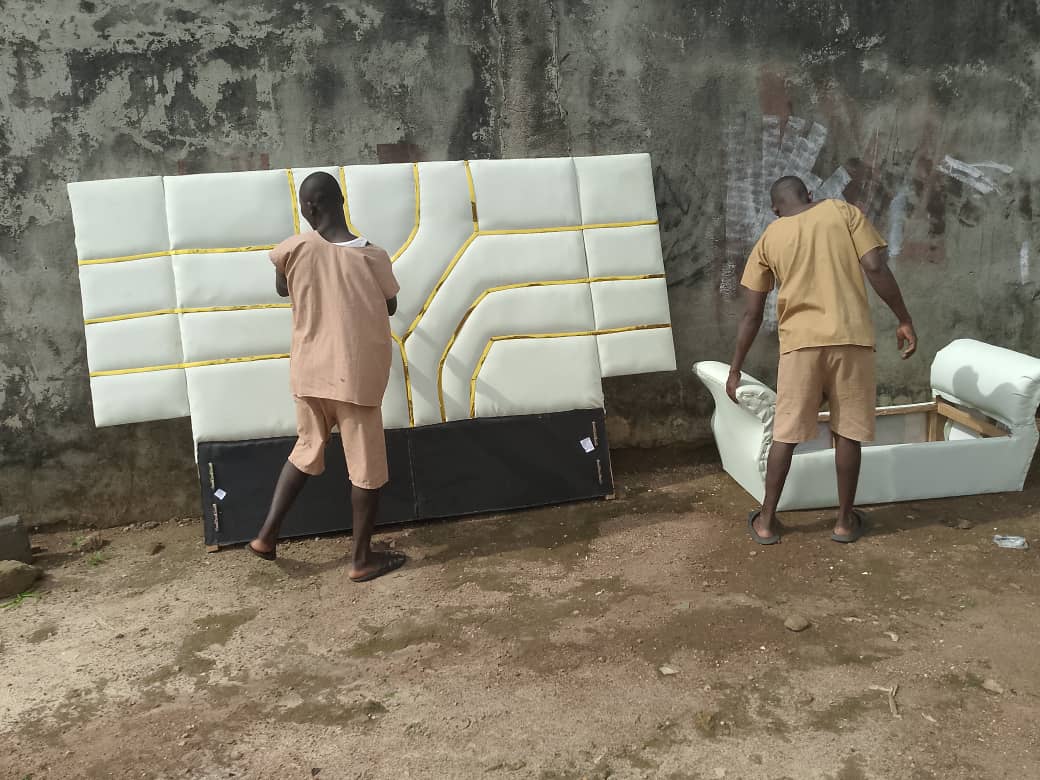
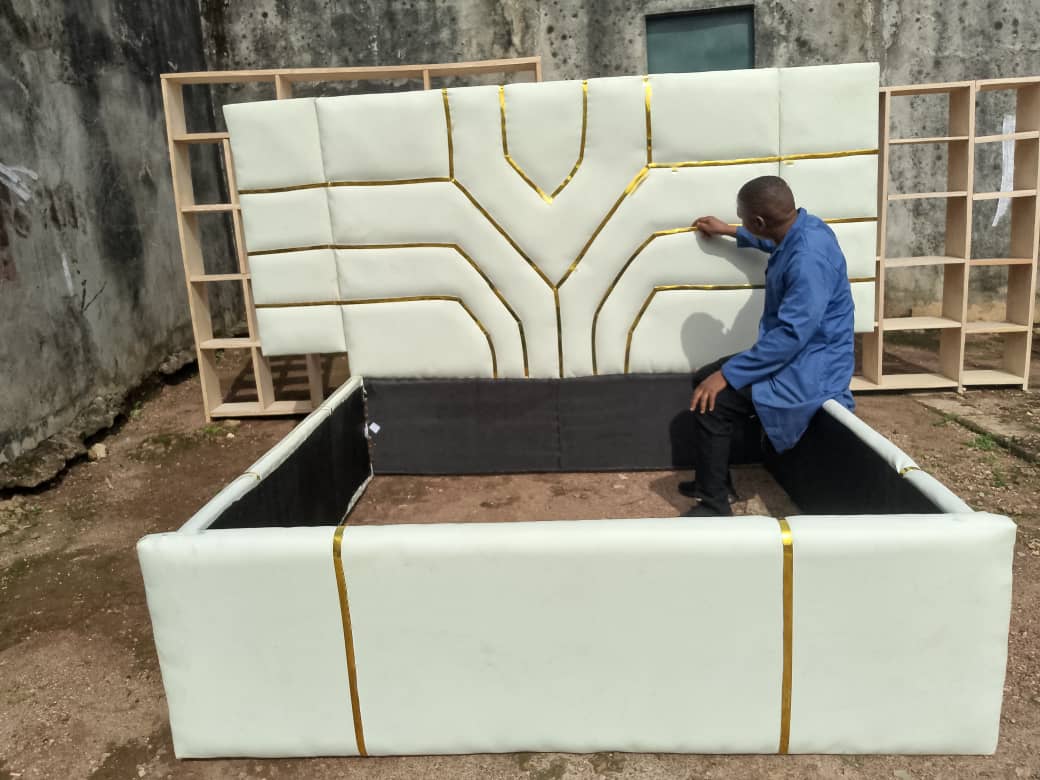
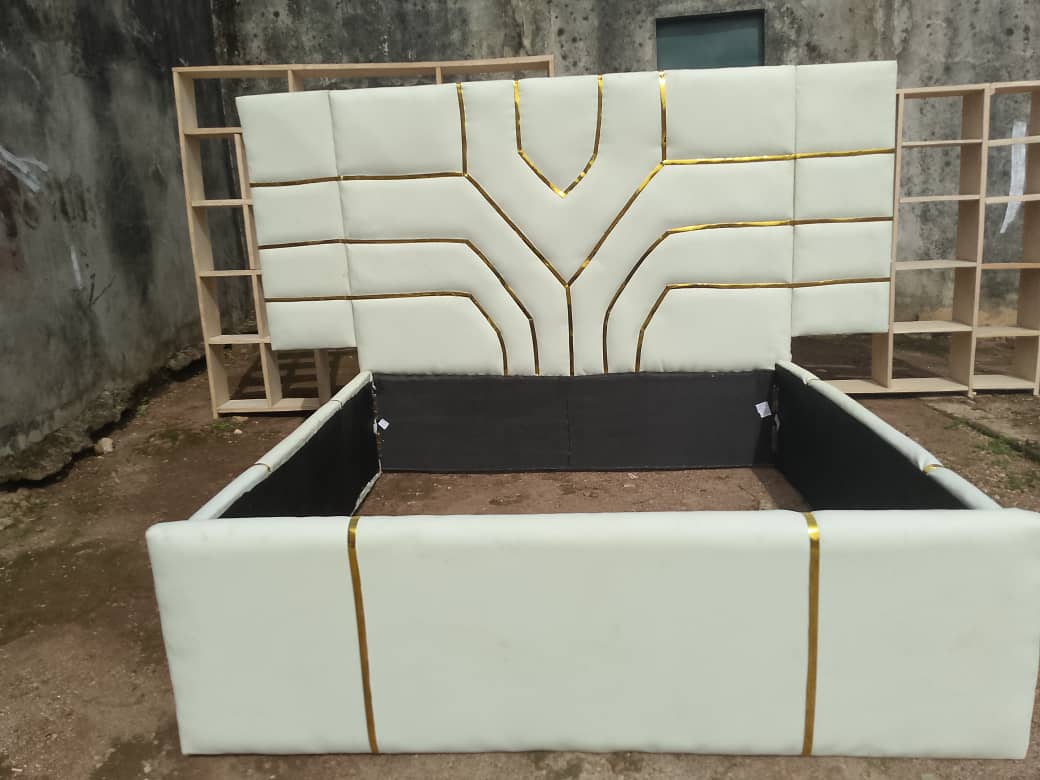
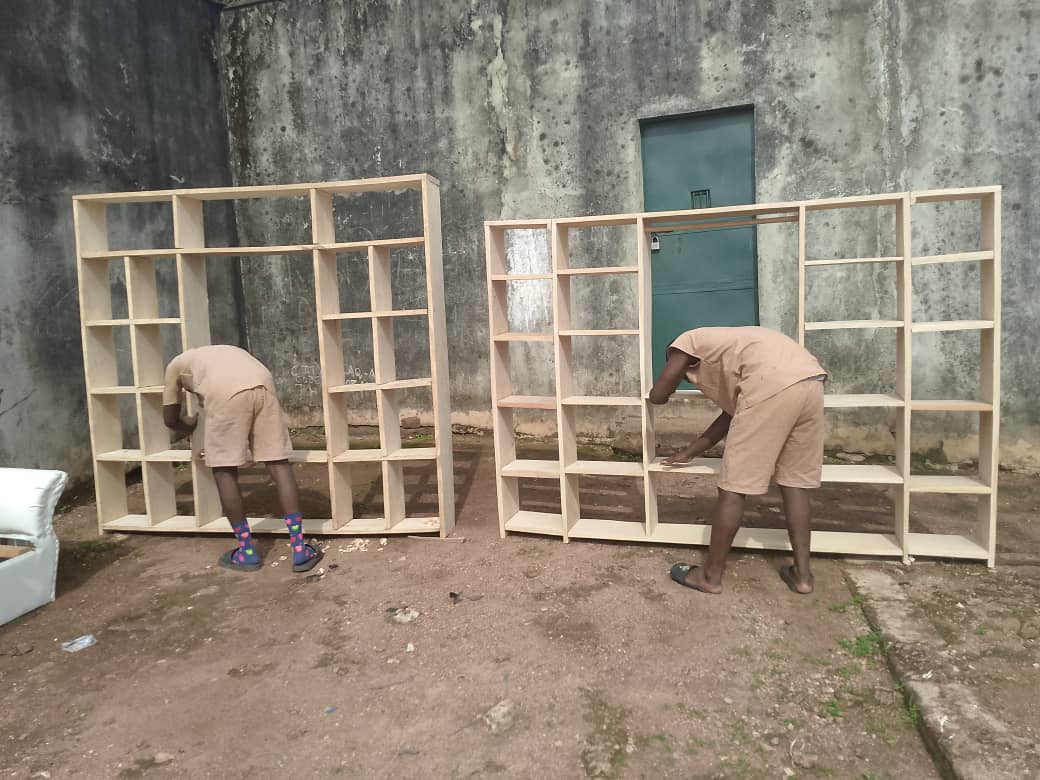
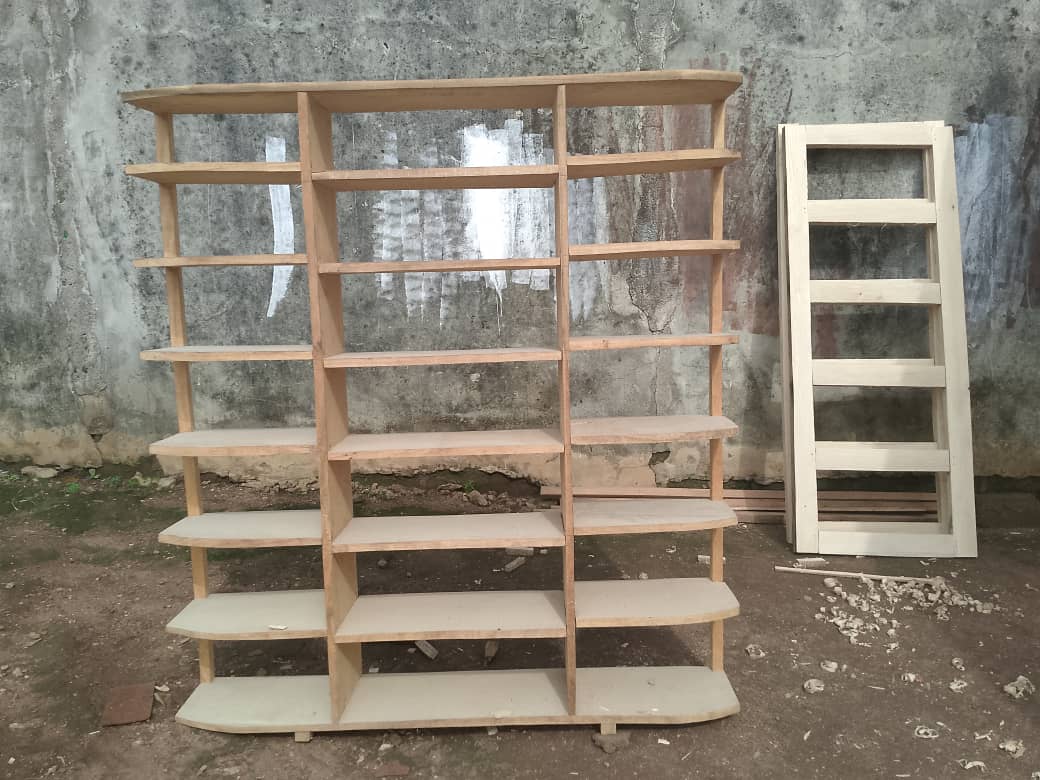
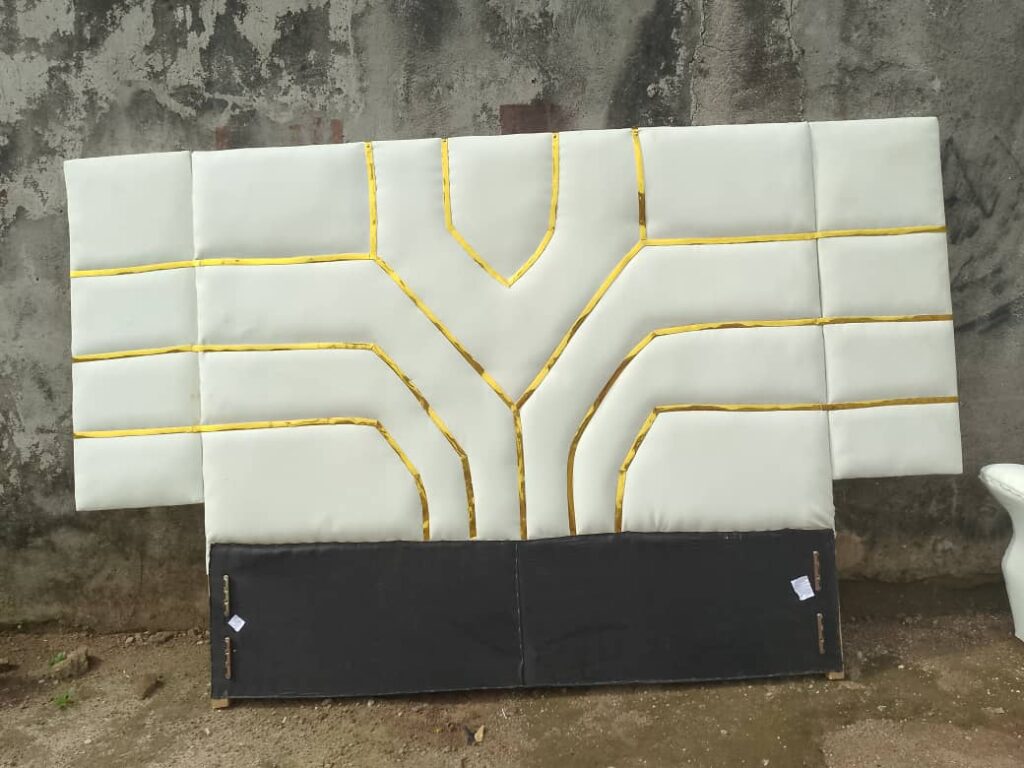
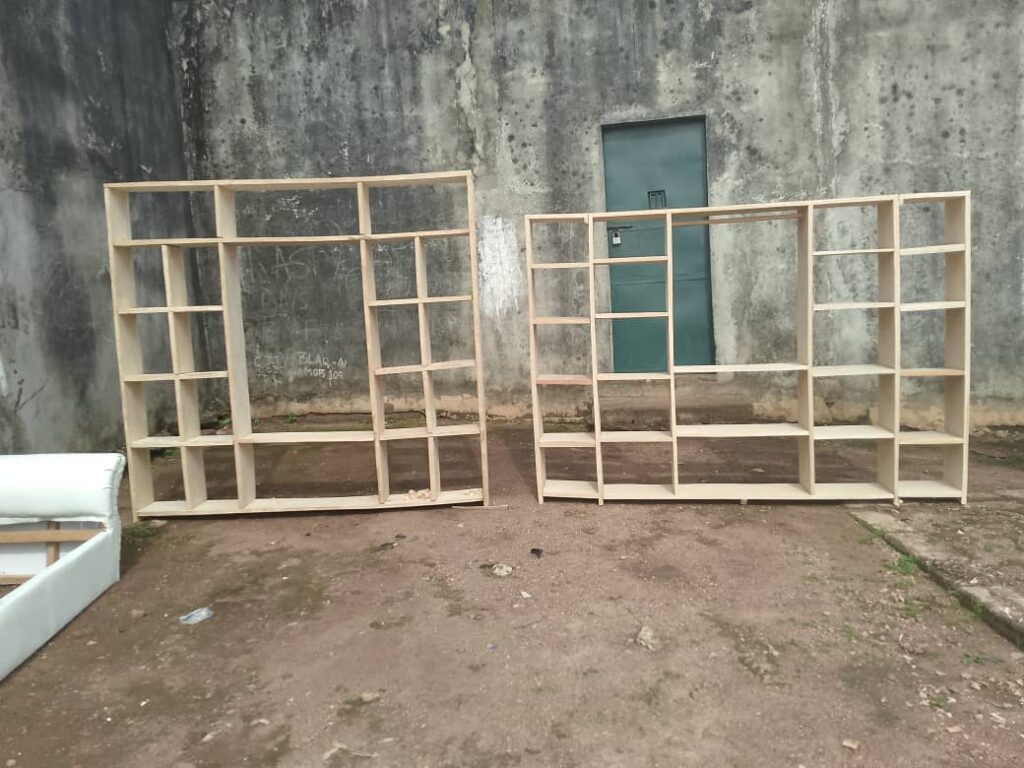
What I discovered instead were master craftsmen creating furniture that belonged in luxury showrooms.
Beds with built-in lighting systems. USB charging ports integrated into headboards. Drawers that slid like silk despite being built with scavenged materials. TV cabinets with electrical systems that would impress any electronics store.
This wasn’t prison craft. This was market-ready artistry.
As a business developer, I hadn’t come to admire the work. I’d come to solve a problem that’s crushing African governments. With overcrowding rates hitting 48% in South Africa alone, prisons drain budgets without delivering results.
But standing in that workshop, watching an inmate install LED strips into a bed frame, I realized something profound.
We’ve been thinking about prisons completely wrong.
The Skills Assessment That Changed Everything
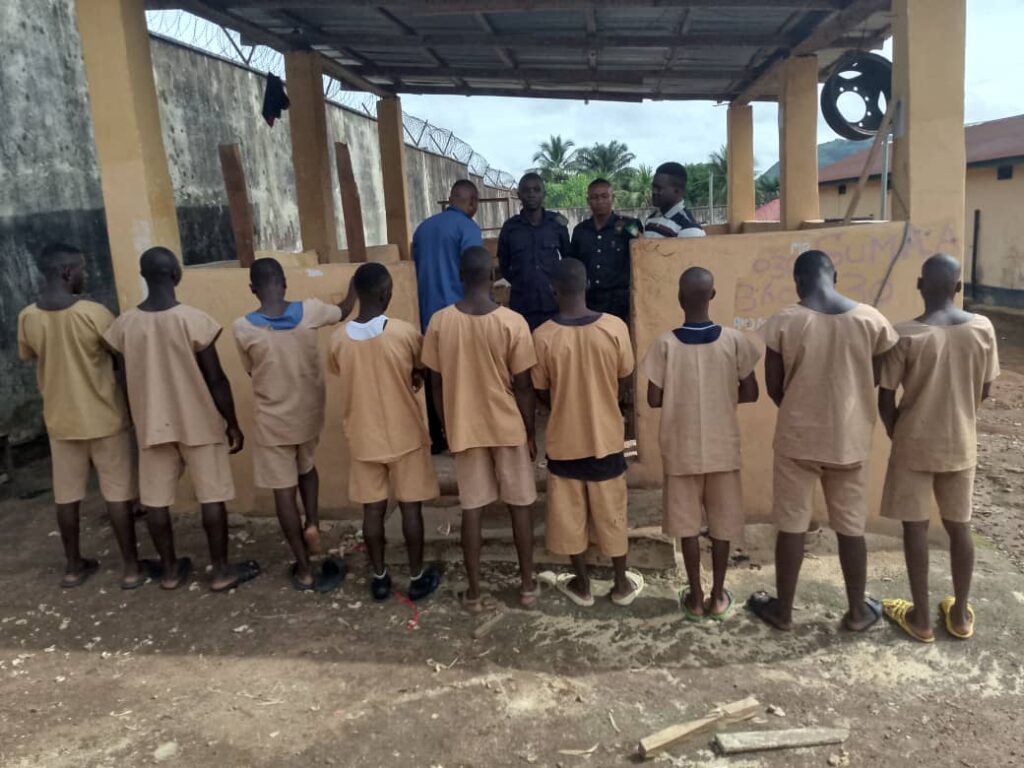
My approach was systematic from day one. I wasn’t there to teach inmates new skills. I was there to identify and profile what already existed.
The diversity stunned me immediately.
Former electricians who’d wired entire neighborhoods. Bakers who’d run successful shops. Carpenters who’d built custom homes. Welders who’d worked on major construction projects.
I developed a three-tier profiling system: basic, intermediate, and advanced. Then I mapped each skill set to potential revenue streams.
The results were mind-blowing.
In one facility, I found 47 inmates with tailoring experience. Ranging from basic alterations to advanced pattern-making. In another, 23 inmates had professional baking backgrounds.
These weren’t random hobby skills. These were market-tested competencies that had generated income before incarceration.
From Prison Shop to Branded Service
The tailoring discovery became my proof of concept.
I approached local schools with a simple proposition. Get all your uniforms made at 30% below market rate. Same quality, faster delivery, complete customization available.
The prison tailoring shop would handle everything. Measurements, fabric sourcing, production, quality control.
But here’s what made it revolutionary. We branded it as a legitimate business service, not a charity case.
Schools could place orders through a mobile app. Track production progress. Request modifications. Pay digitally.
The inmates weren’t just sewing uniforms. They were running a competitive business that happened to operate inside prison walls.
Within six months, we had a waiting list.
The Revenue Model That Actually Works
Traditional prison programs cost governments money. Our model generates it.
Every uniform sold creates revenue that flows back into the prison system. Better equipment, expanded training programs, facility improvements.
The math is compelling. Research shows every dollar invested in prison education returns investment five dollars in reduced incarceration costs. Our model flips that equation entirely.
Instead of spending money hoping for future savings, prisons generate immediate revenue while building inmate skills.
The carpentry workshop I mentioned earlier? Those beds with integrated electronics sell for premium prices to hotels and lodges across the region.
The baking operation supplies fresh bread to local restaurants and schools.
Welding services handle repairs for government vehicles and infrastructure projects.
Each skill set becomes a branded service line with its own customer base and revenue stream.
Overcoming the Perception Problem
The biggest barrier wasn’t logistics or funding. It was perception.
Prison officials saw inmates as security risks, not business assets. Community members worried about quality and reliability. Government administrators couldn’t imagine prisons as profit centers.
The furniture breakthrough changed everything.
When local officials saw those sophisticated bed frames, complete with electrical systems and custom finishes, the conversation shifted immediately.
Quality speaks louder than any business plan.
We started inviting potential customers to see the workshops in action. School administrators watched uniforms being made. Hotel managers examined the furniture construction process.
Skepticism transformed into orders.
The Systematic Scaling Framework
Success in one facility means nothing without replication.
I developed a systematic assessment protocol that works across different prison systems.
First, comprehensive skills auditing. Every inmate gets profiled across multiple competency areas. Not just their primary trade, but secondary skills that might generate revenue.
Second, market analysis for each region. What services are undersupplied locally? Which skills can compete on price and quality?
Third, brand development for each service line. Professional logos, quality standards, customer service protocols.
Fourth, digital infrastructure. Mobile apps for ordering, inventory management systems, customer communication platforms.
The framework works because it treats each prison as a business incubator rather than a punishment facility.
Beyond Individual Success Stories
The ripple effects extend far beyond prison walls.
Inmates with vocational training show recidivism rates 28% lower than those without. They’re not just staying out of prison. They’re contributing economically to their communities.
Former inmates from our tailoring program have opened their own shops. Carpenters have started construction businesses. Bakers have launched catering services.
The skills development doesn’t end at release. It accelerates.
Local businesses now actively recruit from our programs. They know the quality standards and work ethic these inmates develop.
What started as prison reform became economic development for entire regions.
The Implementation Reality
This model works because it addresses the fundamental economics of African prison systems.
Governments can’t afford to keep building more facilities. They can’t sustain the current cost per inmate. They desperately need alternatives that reduce both recidivism and operational expenses.
Our approach delivers both while generating revenue.
The key insight? Don’t try to change everything at once. Start with one skill set in one facility. Prove the model works. Then scale systematically.
The inmates I met weren’t broken people who needed fixing. They were skilled professionals who needed opportunity.
The difference between those two perspectives determines whether prison reform succeeds or fails.
When you see prisons as business incubators filled with untapped talent, everything changes. The question isn’t whether this model can work across Africa.
The question is how quickly we can scale it.
About the Author
Gregory Simpe-Asante is a Business Development Consultant and Prison Reform Strategist specializing in transforming correctional facilities into sustainable revenue-generating enterprises across Africa. His work focuses on identifying and developing inmate skill sets to create branded services that compete in the open market while reducing recidivism rates.
Gregory Simpe-Asante
Phone: +44 74 0463 1370 / +44 74 5412 9808
Email: gregory@corporatepassportgh.com
LinkedIn: www.linkedin.com/in/gregory-simpe-asante-4b282b371
Website: www.corporatepassportgh.com
Facebook: www.facebook.com/corporatepassportgh